


CPAP Alternatives
Better Sleep. On Your Terms.
We’re a private-pay clinic, which means no insurance hassles—just fast, personalized sleep apnea care that puts you first.
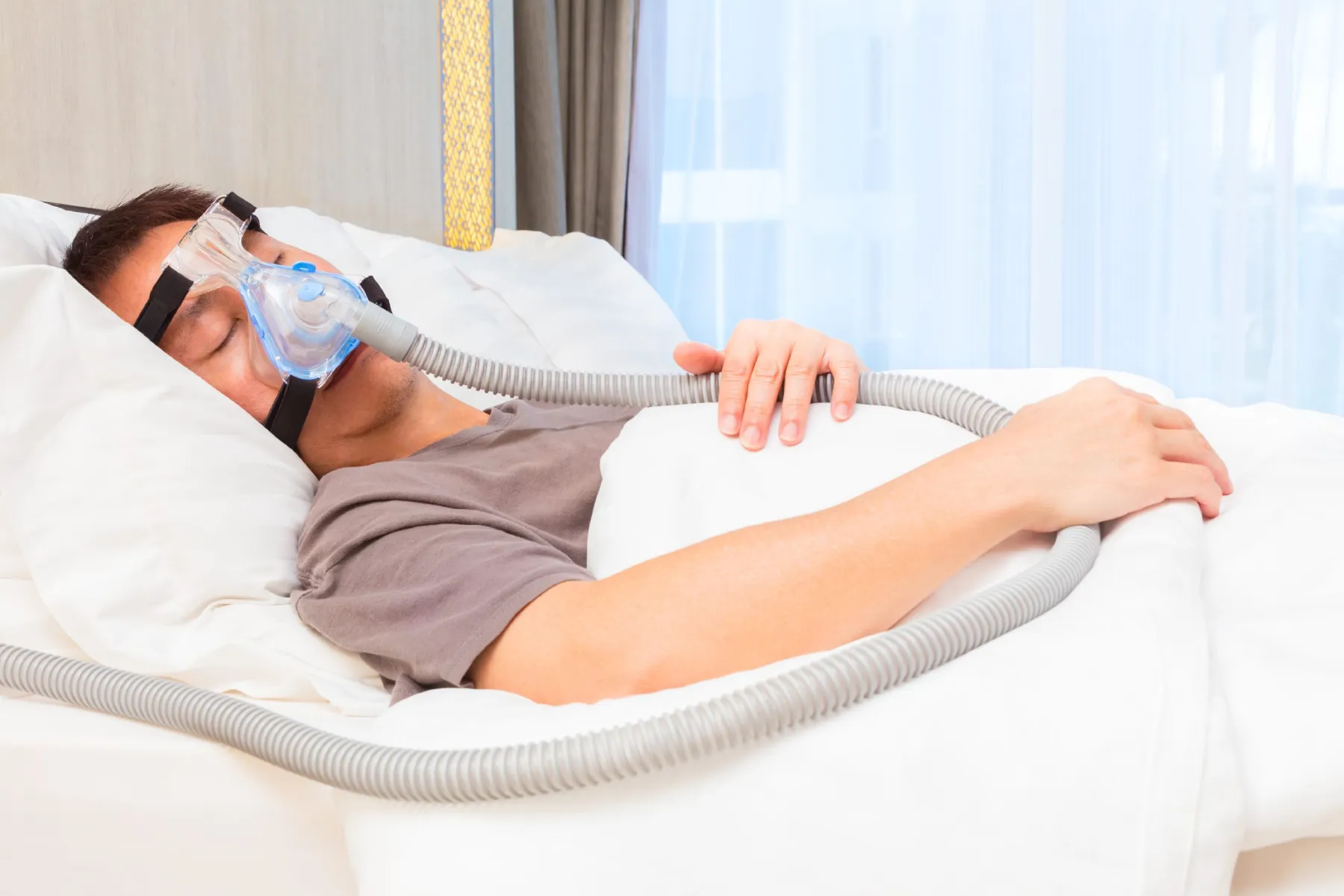
CPAP Alternatives at Be More Sleep Center
Our focus on oral appliance therapy (OAT) provides a non-invasive solution that seamlessly fits into your lifestyle and provides relief from sleep disorders, such as sleep apnea and snoring.
Oral Appliance Therapy for Sleep Disorders
What is Oral Appliance Therapy (OAT)?
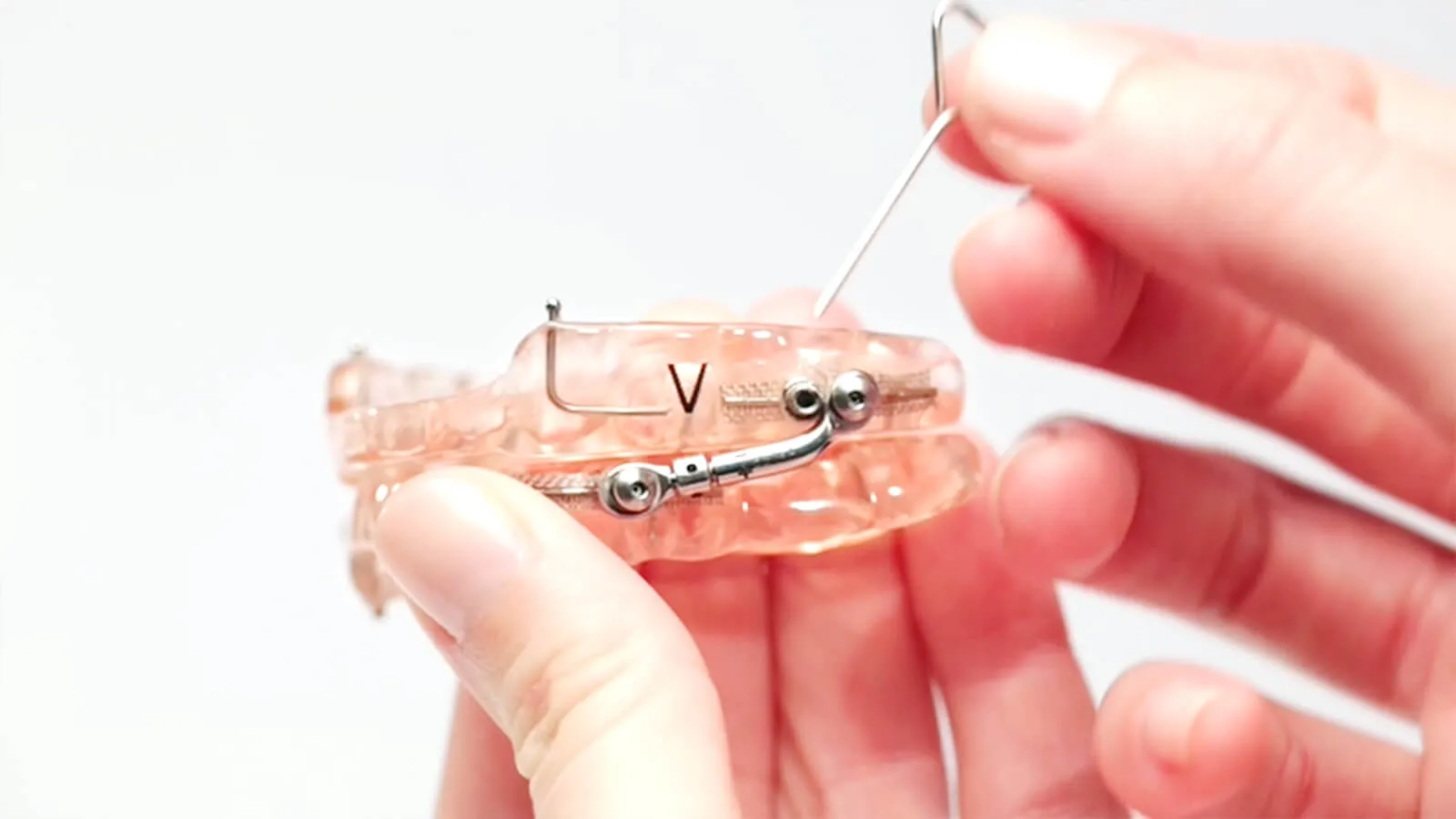
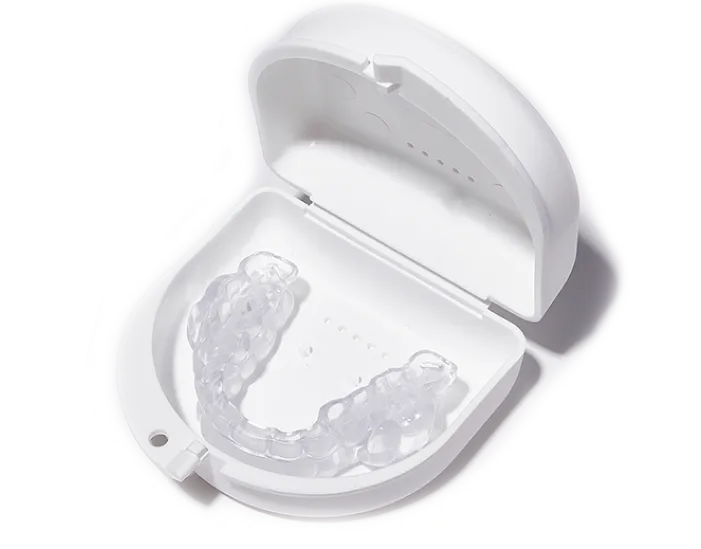
Oral appliance therapy (OAT) is a highly effective treatment for those suffering from sleep apnea, particularly mild to moderate cases. This therapy involves using a custom-fitted oral appliance, which is worn like a mouthguard while you sleep.
The appliance works by gradually and gently repositioning the lower jaw and tongue, preventing the airway from collapsing and ensuring a steady airflow throughout the night. By keeping the airway open, OAT helps reduce or eliminate breathing interruptions common with sleep apnea, leading to more revitalizing sleep and improved overall health.
Why Choose an Oral Appliance to Treat Your Sleep Apnea?
Oral Appliance Therapy as a CPAP Alternative for Sleep Apnea
Here are some key advantages of OAT in terms of comfort and convenience:

Customized Comfortable Fit

Non-Invasive
Unlike CPAP machines, OAT doesn’t require a mask, hoses, or electricity, offering a less invasive option that’s easy to incorporate into your nighttime routine;

Ease of Use
Simple to maintain, with no need for complicated setup or equipment;

Portable and Quiet

Enhanced Quality of Life
By improving sleep quality, oral appliances contribute to better overall health and well-being.
We provide personalized care and advanced treatment options, ensuring your OAT device is ideally suited to meet your needs and improve sleep quality.
Our Range of Oral Appliances
ProSomnus appliances are known for their precision fit and long-lasting comfort and DynaFlex provides flexible, adjustable solutions tailored to various patient needs. Both options are designed to effectively treat sleep apnea and snoring, ensuring you receive the best possible care.
Who is an Ideal Candidate for OAT?

Patients with Mild to Moderate Sleep Apnea
OAT is highly effective for patients diagnosed with mild to moderate obstructive sleep apnea;

CPAP-Intolerant Individuals
If you’ve struggled with CPAP therapy due to discomfort, claustrophobia, or inconvenience, OAT offers a patient-friendly alternative;

Snorers Seeking Relief
Even if you don’t have sleep apnea, but snoring is a major issue, OAT can provide relief and improve sleep quality for both you and your partner.
These factors make OAT a suitable choice for patients looking for a more comfortable, manageable, and effective way to treat their sleep apnea or snoring.
Combining CPAP and Oral Appliance Therapy
The Hybrid Approach
For some patients, a hybrid approach combining CPAP and oral appliance therapy (OAT) can offer enhanced treatment for more severe sleep apnea. This combination allows for:

Increased Comfort

Improved Compliance

Greater Flexibility
Depending on your needs and the severity of your sleep apnea, our team will work closely with you to determine the best combination of therapies to improve your sleep health and overall well-being.
Other CPAP Alternatives
While oral appliance therapy (OAT) is a highly effective treatment for most patients with mild to moderate obstructive sleep apnea, we recognize that every patient’s needs are unique. For those who may require alternative or complementary treatments, we offer various solutions tailored to address the severity and underlying causes of your condition.
Lifestyle Modifications / Changes
In some cases, implementing simple lifestyle changes can significantly reduce sleep apnea symptoms. We provide guidance on the following healthy habits to help improve airway function and overall health:

Weight Management
Losing and maintaining a healthy weight can reduce the effects of sleep apnea symptoms;

Smoking Cessation
Quitting smoking decreases inflammation in the airways, leading to improved breathing during sleep;

Alcohol Reduction
Limiting alcohol intake, especially before bedtime, helps prevent excessive relaxation of throat muscles;

Regular Exercise
Engaging in physical exercise can improve respiratory function and reduce sleep apnea severity;

Healthy Sleep Hygiene
Establishing a regular sleep schedule and creating a restful sleep environment can enhance sleep quality;

Avoiding Sedatives
Steering clear of sedatives and sleeping pills that relax the muscles too much and exacerbate sleep apnea symptoms.
Sleep Positioners /
Positional Therapy
For patients whose sleep apnea is influenced by their sleep position, we recommend sleep positioners to encourage side-sleeping. Positional therapy can effectively reduce airway blockages that occur when lying on the back, helping to relieve symptoms without the need for more invasive treatments.
Accessories
In addition to core therapies, we recommend a selection of accessories designed to enhance your treatment experience. These may include specialized pillows, nasal strips, or other tools that can improve comfort and efficacy in managing sleep apnea.

Book Your Sleep Apnea Consultation at Be More Sleep Center Today!
Ready to explore your CPAP alternatives? Schedule a consultation to discover the best solution for your needs. Our compassionate team is here to guide you toward better sleep and improved health.